Tobacco in Herbalism: Understanding Extraction Methods
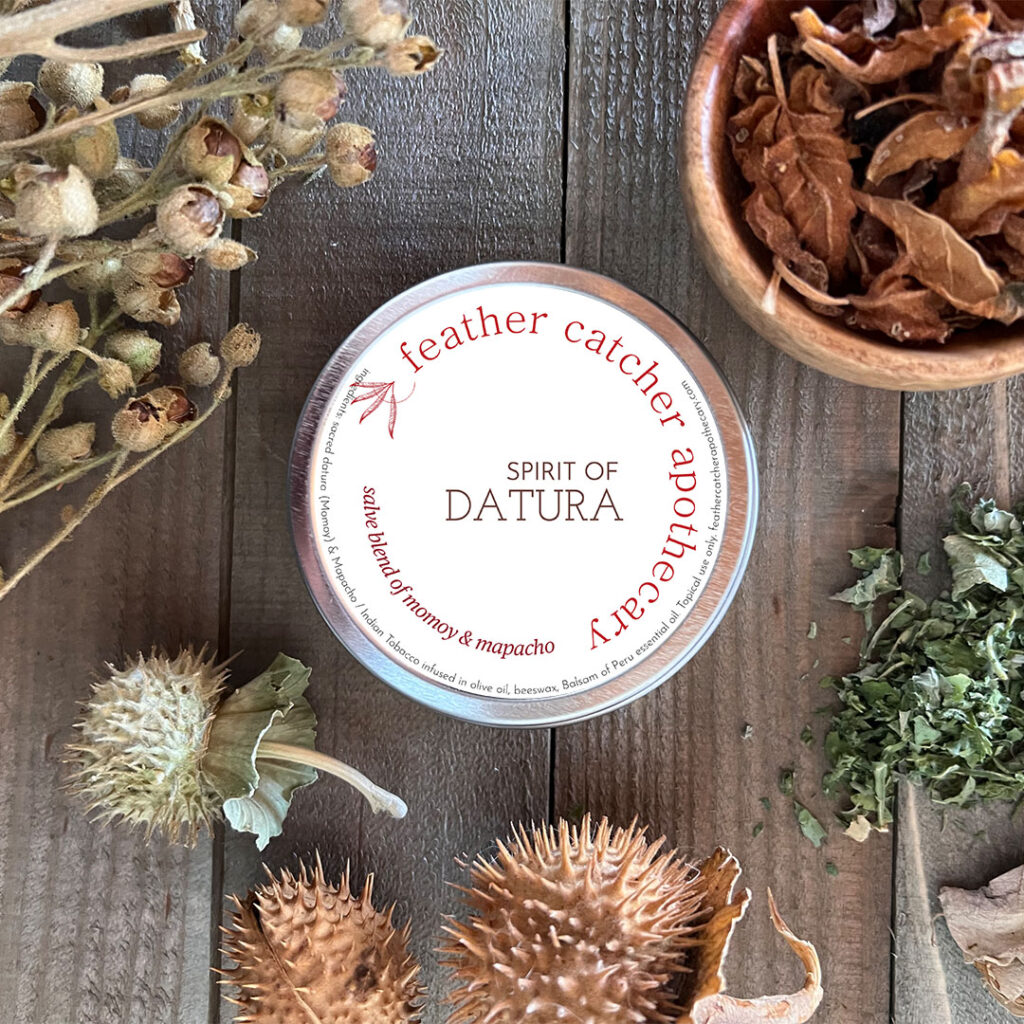
Recently someone reached out to ask me whether the tobacco in our Spirit of Datura Salve could provide a microdose of nicotine similar to nicotine patches that are popular in the biohacking community. She was addressing various health issues and was curious if a daily application of our salve could be a good alternative to the toxic patches being suggested. The short answer is no but if you want to understand why, keep reading!
It’s a great question—and it opens the door to rehashing an important concept in herbalism: how the preparation method affects what compounds you actually extract from a plant.
Tobacco in Herbalism
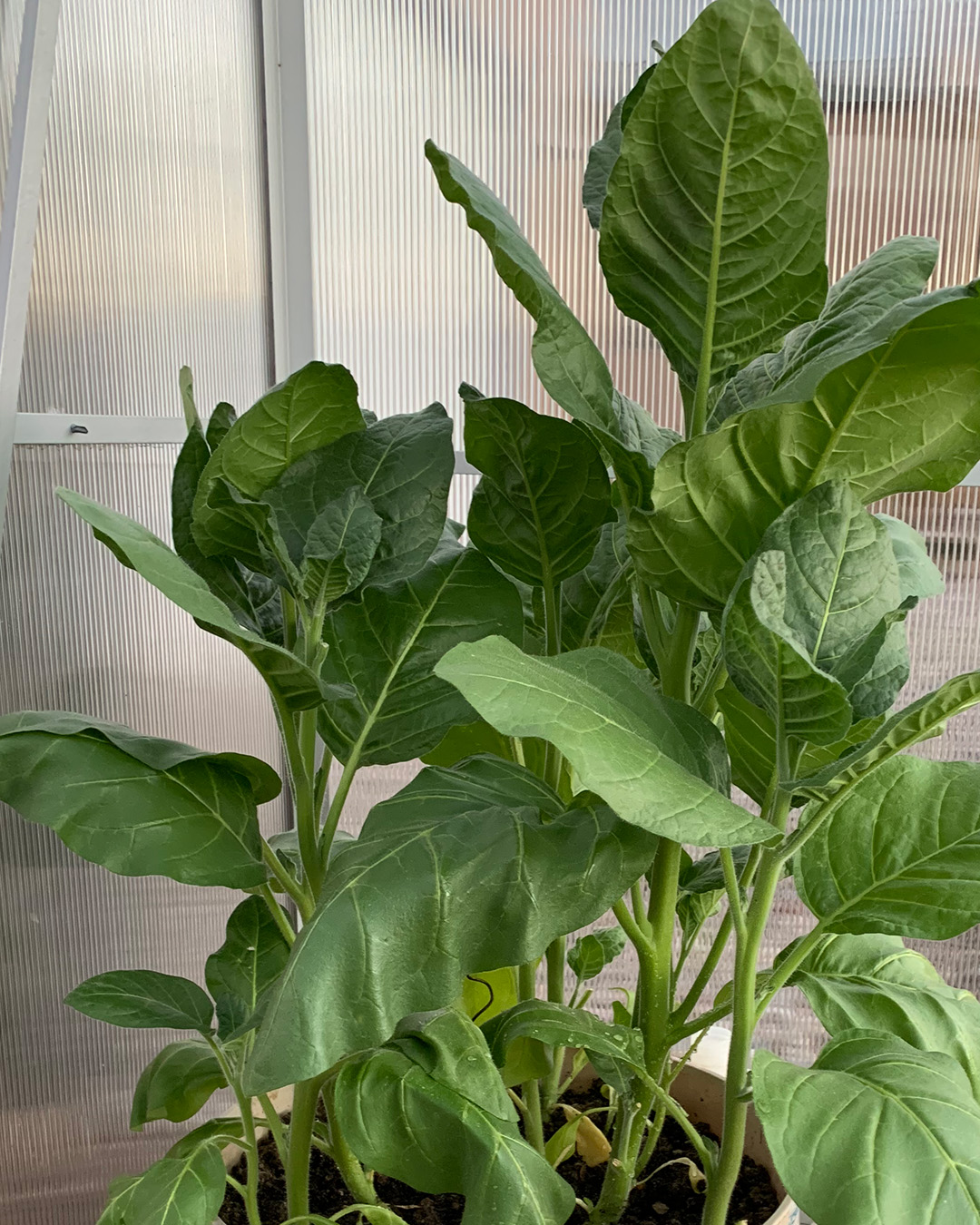
The species we work with is Nicotiana rustica, a traditional tobacco species with one of the highest nicotine contents among the Nicotiana species. Rustica has a long history of ceremonial, medicinal, and ritual use throughout the Americas.
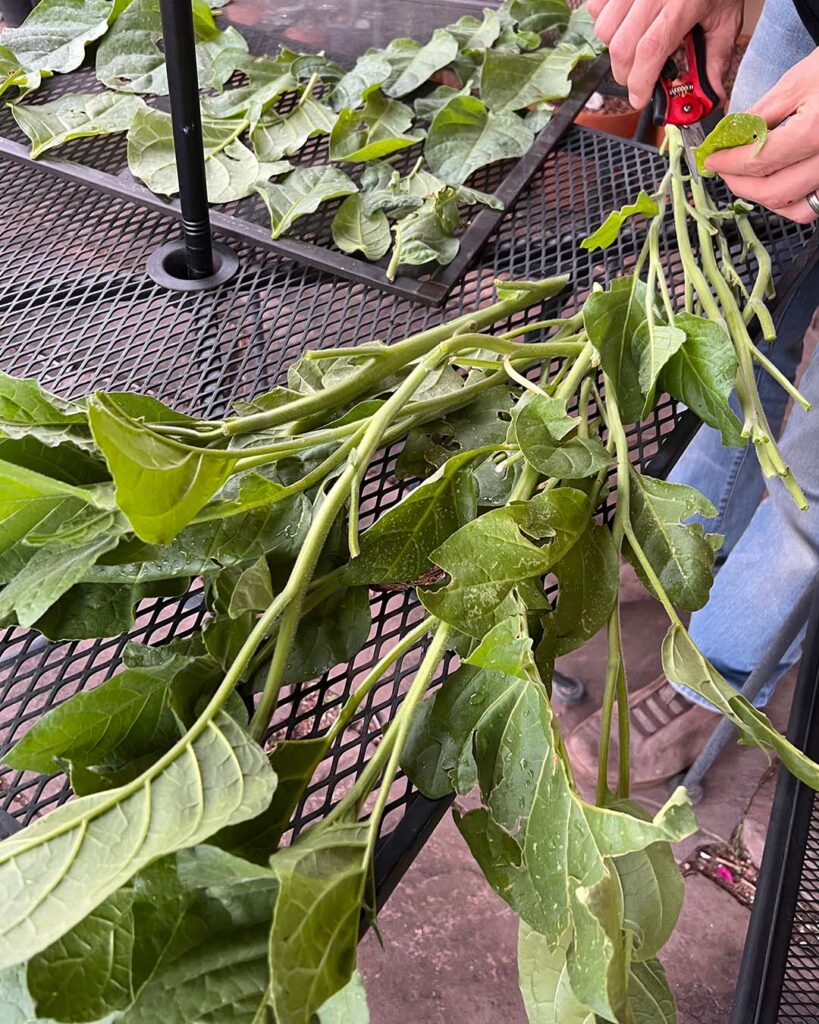
In many traditions, tobacco is not used casually. It is often considered a powerful plant ally—used for protection, prayer, cleansing, and sometimes for topical medicinal purposes.
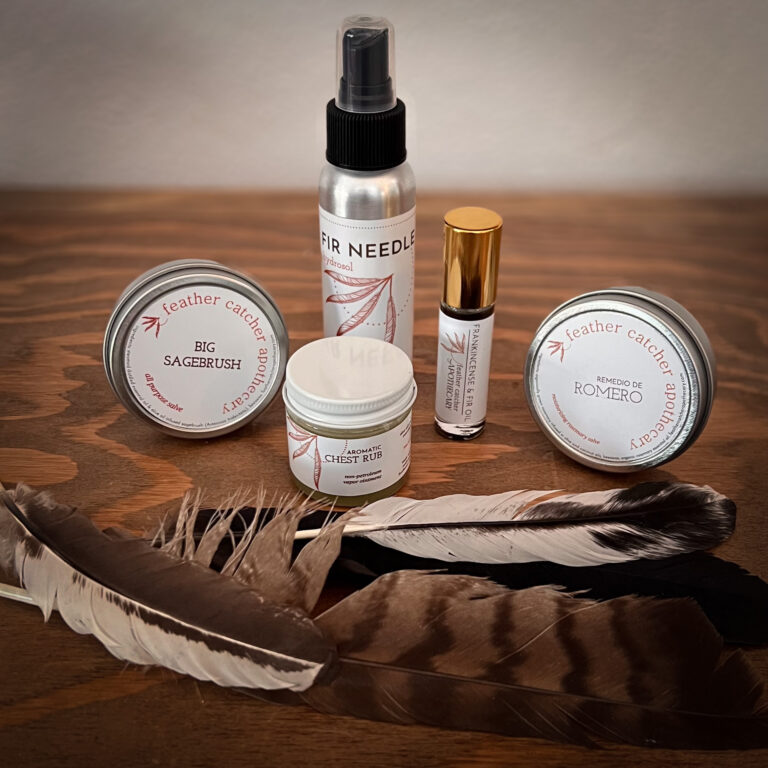
In our apothecary, it’s available as dried tobacco leaf for ceremonial smoke use, as well as in a topical salve where it contributes both medicinal and spiritual qualities to the preparation.
This leads to the question: Does a tobacco salve deliver nicotine?
The answer is technically yes—but only in extremely small amounts. Not nearly enough to even be considered what biohackers call a microdose.
Nicotine as the Active Compound
If the goal were specifically to work with nicotine as the primary compound, you definitely don’t want to bother with an oil infusion. Instead, you’d want to use a tincture or liniment. Why? Because nicotine is an alkaloid – and alcohol is extremely efficient at extracting alkaloids.
For that reason, someone seeking a true microdose of nicotine would experience a more measurable effect from a tincture rather than from an oil-based salve.
Why Oil Infusions Extract Very Little Nicotine
Many of our salves begin with an herbal oil infusion, where plant material is slowly infused into a carrier oil. This works beautifully for compounds that are fat-soluble, such as resins, aromatic compounds, certain anti-inflammatory constituents.
However, since nicotine is not very fat-soluble, an oil infusion pulls very little of it out of the plant material. Even though Nicotiana rustica contains a significant amount of nicotine, an oil infusion will only capture a tiny fraction of that alkaloid. So while nicotine may technically be present in the finished salve, it would likely be a very, very small amount that pales in comparison to what tinctures or nicotine patches provide.
The Role of Tobacco in a Salve
It’s worth mentioning that while a salve may not be an efficient nicotine delivery system, that doesn’t mean the plant has nothing to offer in this form. Oil infusions of tobacco still carry, topical soothing properties, can help with circulatory stimulation, and contain energetic and spiritual qualities traditionally associated with the plant.
Herbal preparations work through multiple layers—chemical, energetic, and traditional use—not just a single isolated compound.
Herbalism reminds us that how we prepare a plant changes how it works.
A tincture, tea, oil infusion, or salve can all come from the same plant—but each preparation extracts a different set of constituents and produces a different experience.
So while a tobacco salve may contain trace amounts of nicotine, it would likely be closer to a “micro-micro dose”compared to alcohol extracts or patches.
Understanding these differences is part of the science and art of herbal medicine. I’m really looking forward to making Nicotiana rustica tincture this fall. The plant is very easy to grow and produces a plethora of seeds. Buen medicina!